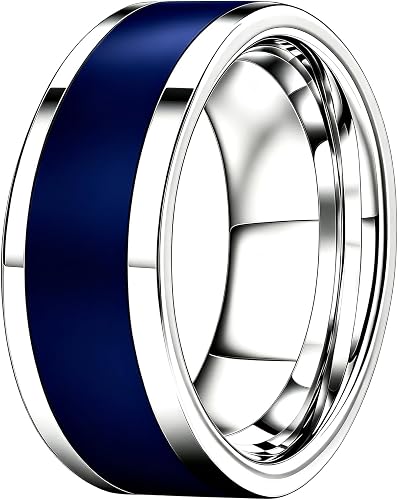
Steel NTAG216 NFC ring
Stainless steel
A stainless steel ring with a programmable NTAG216 chip.
Amazon (opens in a new tab)
When a ring or earring leaves a red, itchy patch, the cause is usually nickel. Here's which metals to look for, what a listing leaves out, and what to do if a rash shows up. It's general guidance from dermatology sources, not medical advice.
Nickel is one of the most common causes of allergic contact dermatitis, a rash from touching something you're allergic to. The American Academy of Dermatology estimates that more than 18 percent of people in North America are allergic to it. Earrings, earring backs, and watches are some of the biggest culprits, but rings, necklaces, and bracelets can cause it too.
The AAD and Mayo Clinic give nearly the same short list: surgical-grade or nickel-free stainless steel, 18, 22, or 24 karat yellow gold, and sterling silver. Mayo Clinic adds titanium and nickel-free white gold. The AAD adds platinum.
Gold below 24 karat is mixed with other metals, and the lower the karat, the more of the mix there is. DermNet, a dermatology reference, notes that white gold is usually alloyed with nickel, then plated with rhodium to look brighter. That plating wears off over months or years and leaves the alloy against the skin.
On less expensive jewelry, the base metal under gold or silver plating often contains nickel, DermNet says. Many people who think they react to gold or silver are reacting to nickel. For what each plating label means, read Gold plated, gold filled, or solid gold.
Sterling is 92.5 percent silver, usually mixed with copper. DermNet notes that some sterling can carry traces of nickel. It's a good choice, not a promise.
Both are on Mayo Clinic's list, with steel named as surgical grade or nickel-free. A listing that just says "stainless steel" doesn't tell you which grade it is.
For watchbands, the AAD and Mayo Clinic suggest leather, cloth, or plastic. These sources cover metals, so for a ceramic, wood, or leather piece, check what the clasp, chain, or back is made of.
We use each store's own words for materials. None of the listings here say nickel-free or surgical grade, so we can tell you the metal but not its grade. The steel NFC ring is listed as stainless steel. The Oura Ring 4 is titanium, and the RENPHO Lynx has a titanium exterior. The raw birthstone studs are sterling silver. The NFC finger ring is ceramic, and the engraved bracelet is leather.
Mayo Clinic says a reaction usually starts within a couple of days of contact. Take the piece off. Home test kits can check a metal item for nickel, and a dermatologist can run a patch test to find which metal is the cause. The AAD says to see a board-certified dermatologist if a rash blisters, looks infected, or keeps coming back.
If you don't know how their skin reacts, choose a metal from the short list above, or a piece that isn't metal where it touches the skin. Take extra care with earrings. Mayo Clinic says nickel allergy is most often linked to earrings and other piercing jewelry.
Sources: American Academy of Dermatology, Nickel allergy: How to avoid exposure and reduce symptoms; Mayo Clinic, Nickel allergy: Symptoms and causes; DermNet, Jewellery allergy. All read October 20, 2026.
Buying a ring? Read Ring size, without asking. New to NFC? Read how NFC jewelry works.
As an Amazon Associate we earn from qualifying purchases.
Stainless steel
A stainless steel ring with a programmable NTAG216 chip.
Amazon (opens in a new tab)

Titanium
A titanium smart ring with no screen that tracks sleep, activity, and stress for up to 8 days on a charge. First month of membership included, then a monthly subscription. Size it with Oura's sizing kit first.
Amazon (opens in a new tab)

Titanium exterior
A titanium smart ring that tracks sleep, steps, and heart rate for 7 days on a charge, with a charging case for travel. No subscription fees. Size it with RENPHO's sizing kit first.
Amazon (opens in a new tab)

Sterling silver studs with a raw birthstone
Sterling silver studs with a raw stone for the month you pick, such as garnet, moonstone, or turquoise.
Uncommon Goods (opens in a new tab)

Ceramic band with an NFC chip
A ceramic ring with a visible NFC inlay. You program the link with an NFC app. No battery.
Tribal Expression Jewelry (opens in a new tab)

Leather
A leather bracelet with an engraved message.
Amazon (opens in a new tab)